
Studio Wireless Headphones
₹8,990₹11,499
Rated 4.8 out of 5

CodeBuzzers builds high-performance e-commerce websites, mobile apps and custom commerce platforms designed around your products, customers and business model.



Order confirmed
#ORD-48219
Payment captured. The seller has been notified and fulfilment has started.
PaidStudio Wireless Headphones
₹8,990
New order received
#ORD-48219 · ₹8,990
The modules change with the model. The architecture underneath does not — which is why adding a second sales model later is a decision rather than a rebuild.

A single-brand store where discovery, speed and a checkout that does not lose people are the whole game. Everything is tuned around conversion on a phone.
What we build for it
Each one changes the catalogue model — variants, expiry, serial numbers, fitment, MOQ — long before it changes the design.
Fashion
Electronics
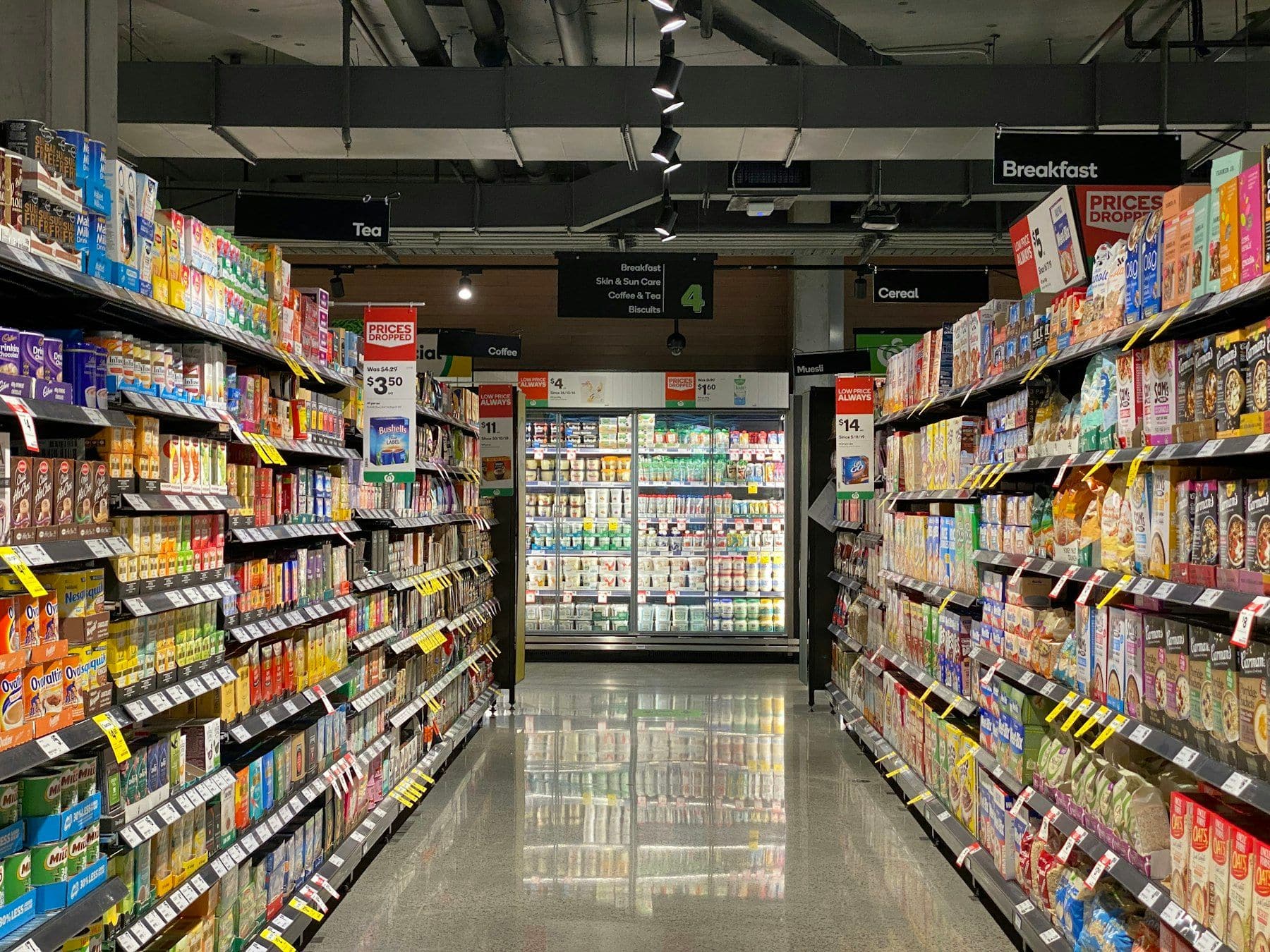
Grocery
Beauty
Furniture
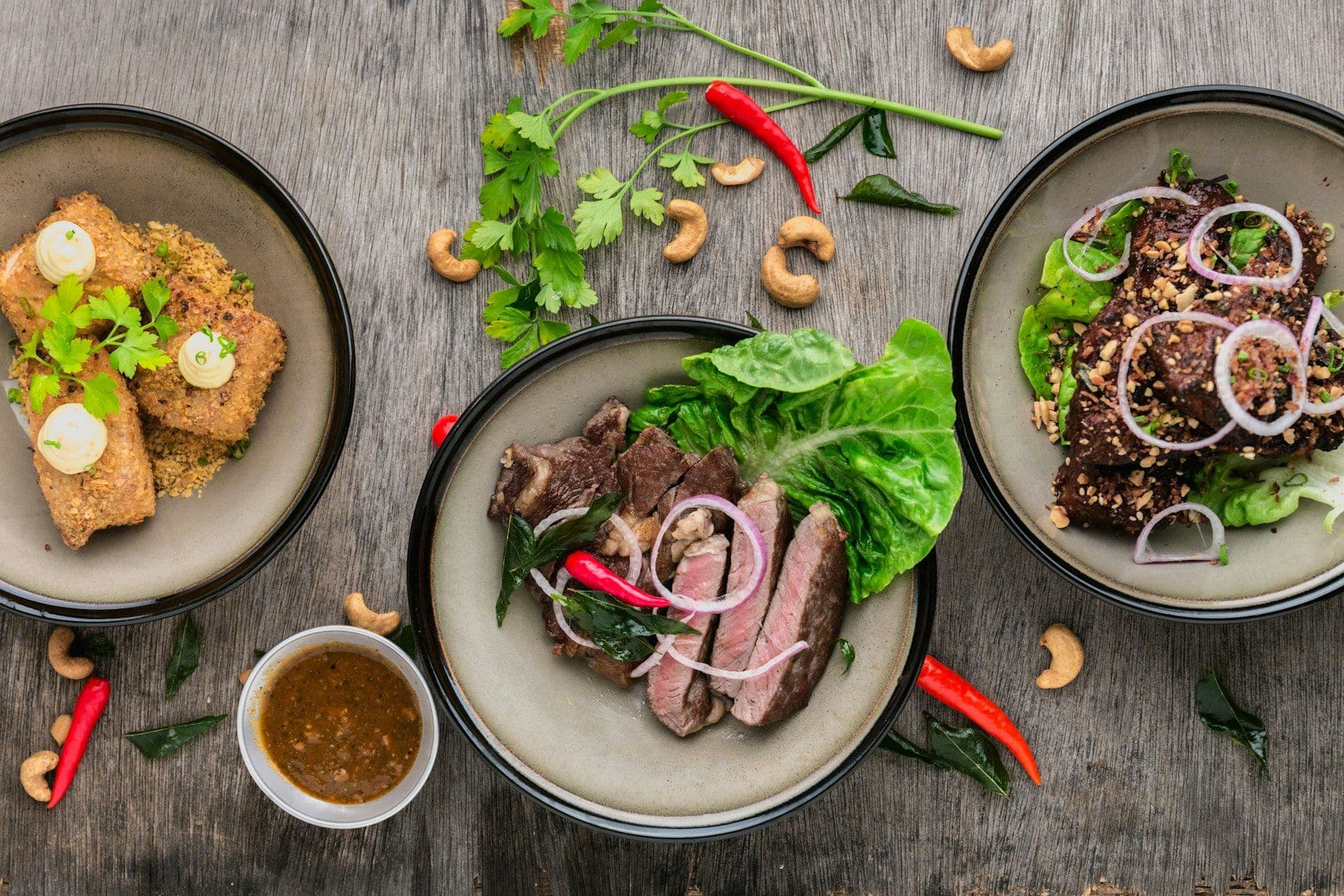
Food
Healthcare
Automotive
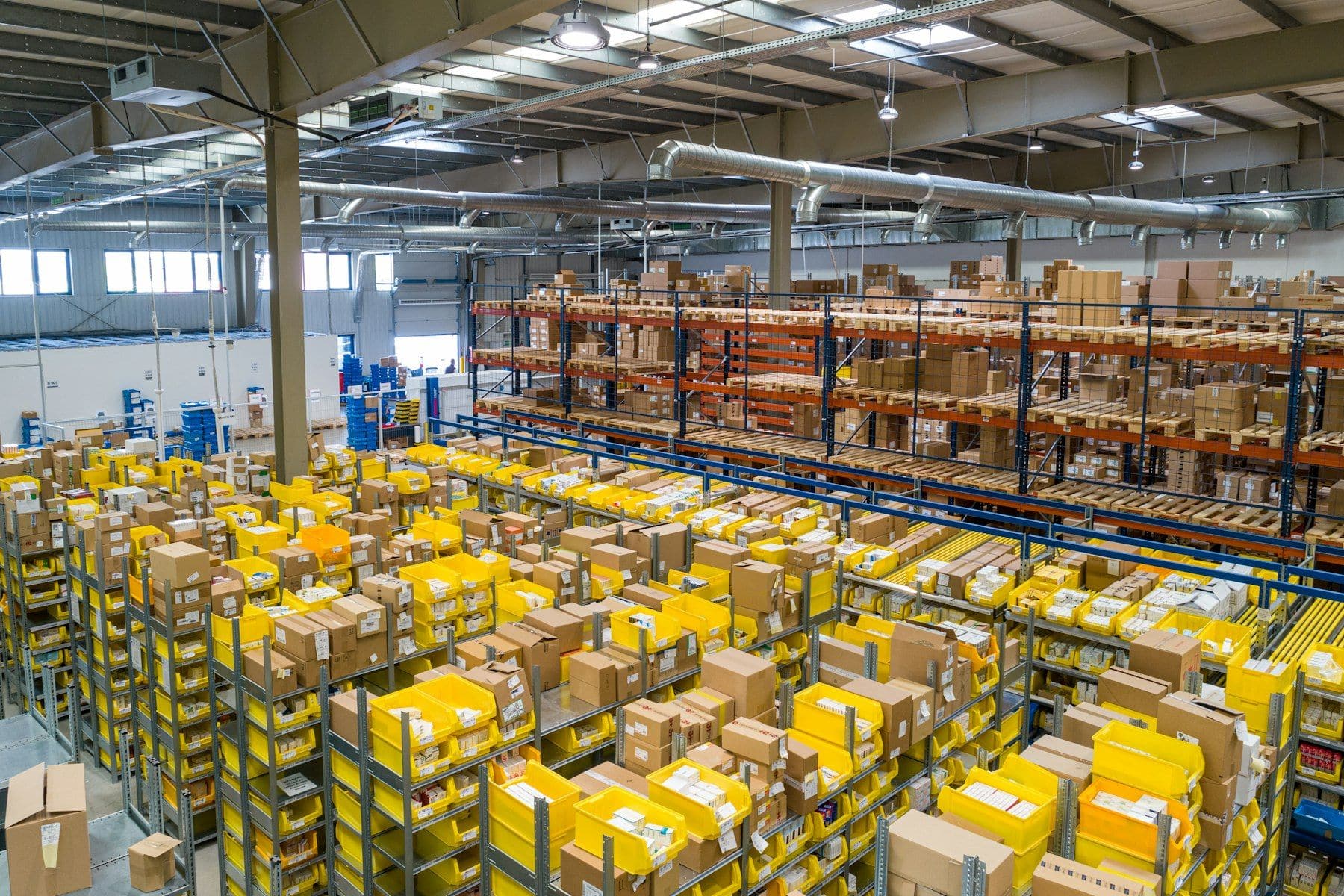
B2B Supplies
Eight stages, and a customer can be lost at every one of them. These are the screens we design first, because they are the screens the business is actually judged on.
Search, categories and merchandising that surface the right product in the first screen.

248 results · sorted by relevance
The page that has to answer every objection: price, stock, delivery, proof.
In stock · free delivery Thursday
Editable, persistent across devices, and honest about the final total.
The fewest fields that still produce a deliverable address.
Delivery address
Priya Sharma
412, 4th Cross, Indiranagar
Bengaluru, Karnataka 560038
Delivery speed
The methods your customers actually use, with retries that do not lose the order.
Pay using
Confirmation the customer trusts, and a record operations can act on.
Order confirmed
#ORD-48219
Payment captured. Invoice emailed. Seller notified.
Live status that answers "where is it" before anyone contacts support.

Arriving today, by 7:00 pm
Proof captured at the moment of delivery, feeding discovery for the next buyer.
Rate this product
“Exactly as described and arrived a day early.”
Review feeds ranking & recommendations
A customer placing an order, a seller fulfilling it and an operator accounting for it are three completely different jobs. They are also the same record — which is the entire reason to build them together.
Most commerce traffic is a phone, on a bad connection, with about four seconds of patience. The app is built against that reality — fast first paint, saved carts, one-tap re-order and a checkout that survives a dropped signal.

Trending near you
Your cart
Track order
#ORD-48219
Arriving today
by 7:00 pm
Orders today
34
Revenue today
₹1,24,500
Payout due
₹86,200
Orders to action
Sales · 7 days
Low stock · 3 SKUs
Studio Headphones · 4 left

The seller panel is the screen your vendors live in all day, and the one most commerce projects treat as an afterthought. It has to make packing, stock and money obvious at a glance — including exactly what they are owed and when.
Catalogue, vendors, customers, money, disputes and every override recorded against a person. This is the widest surface we build, because it is the one that has to answer for everything the other two did.
GMV · this month
₹2.41 Cr
Orders
18,402
Active vendors
146
Customers
92,318
Revenue · last 12 weeks
+14.2%Top vendors
Fulfilment
From here the order reaches whoever actually ships it — your own warehouse, a vendor, or a third-party logistics partner. Same record, same status, one place to look when a customer asks.
Grouped by who uses it, because a feature list that mixes the customer's wishlist with the finance team's settlement report tells nobody anything.
Everything between arriving and receiving.
This is the AI that actually moves revenue in a store — not a chat bubble in the corner. The platform has to read intent out of ordinary language, filter honestly against it, and rank what is left by what this particular customer is likely to buy.
Trail Runner · Black
Everyday Runner · Onyx

Street Trainer · Jet
Recommended for this customer
Ranked above the cheaper option because this shopper has bought the same brand twice and returns low-rated items. Ranking signals are yours, and explainable.
We integrate against whichever provider you are already approved with, in your own account — we do not resell any of them, and the list below is categories rather than partnerships.
Most of them can wait. We will tell you which ones, and in what order, based on how you sell today.
Seven phases. The first one is about your margins and your warehouse, not our code — and it is the phase most commerce projects skip and later pay for.
We start with how you sell today — margins, categories, who picks and packs, what breaks at volume. The commerce model decides the architecture, so getting it wrong here is the expensive mistake.
What you get

Chosen per project rather than by habit — see web development and mobile app development.
Four live examples — two D2C stores, a European multi-currency storefront and a shopping app in the tens of thousands of products. Every one of them is open to visit, which is the only kind of proof worth putting on this page.
 Website
Designer leather goods · Europe
Premium leather bags and wallets, designed in Barcelona and shipped worldwide.
A multi-currency, multi-language storefront: the same catalogue priced by region, read in English, French or German, and filtered by collection, type and size.
 Website
D2C leather accessories · India
Wallets, bags, belts, backpacks and luggage sold direct to customers across India.
A deep variant catalogue — colour and style per product — carrying best-seller and new-arrival merchandising, customer reviews, wishlists and quantity-tiered prepaid discounts through checkout.
 Mobile app
Ethnic wear marketplace · Android & iOS
The AllSilks shopping app for the Kolkata heritage retailer — sarees, blouses, suits, menswear and kidswear.
A catalogue in the tens of thousands on a phone: category depth across traditional and modern ranges, artisan and brand sourcing, and an ordering flow built for Indian and international buyers.
 Website
Men's innerwear & apparel · India
Briefs, boxers, trunks, vests and casualwear from a Kolkata label.
A size-and-colour-led store where the operational promises are part of the product: order tracking, prepaid free shipping and a stated returns window, all visible before checkout rather than after it.
Screens captured from the live products; sites change, so recapture rather than redraw. No performance figures are quoted, because those belong to our clients rather than to us.
There is a version of this project that takes three weeks: install a template, load the catalogue, connect a payment gateway, launch. For some businesses that is genuinely the right answer, and we will say so if it is yours.
It stops being the right answer the moment your business does something the template did not anticipate — pricing that depends on who is asking, stock split across three locations, a vendor who needs their own despatch workflow, or a checkout that has to clear an approval before it becomes an order. At that point you are not configuring software any more. You are fighting it.
Custom e-commerce development means those rules live in the platform instead of in a spreadsheet someone maintains by hand. It is more work at the start and considerably less work every month after.

Every commerce business is ordinary until you look at how it actually takes an order.
Stated as outcomes rather than percentages — we will not invent a conversion figure for a store we have not built yet.
Most e-commerce app development work fails for boring reasons rather than technical ones. The catalogue model could not describe the products. The checkout was designed for a desktop and most of the traffic was not. Nobody owned the seller experience, so vendors kept phoning the office. The build was fine; the assumptions underneath it were wrong.
So when you evaluate an e-commerce development company, the useful question is not which framework they prefer. It is whether they asked how you price for a repeat wholesale buyer, what happens when two customers order the last unit at the same second, and who packs the box. Those answers determine the architecture. Everything else is implementation detail.
Our custom e-commerce development work covers the whole system rather than the storefront alone: e-commerce website development, native and cross-platform apps, the seller panel, the admin platform, payments, inventory, integrations and the analytics that make the rest legible.
Multi-vendor e-commerce development is a different discipline from single-brand retail, and the difference is almost entirely about money and trust. A marketplace has to onboard and verify sellers, hold a correct ledger per vendor, split a single customer payment across several of them, handle a return that affects one line of a split shipment, and pay everyone on a schedule they can plan around. The storefront is the easy half.
We work with businesses across India and internationally, including e-commerce development for companies in Dubai and the wider UAE — multi-currency and multi-language catalogues, Arabic and right-to-left interfaces where the audience needs them, regional payment methods, and delivery partners that operate locally. As an e-commerce app development company working across both markets, the constant is that the platform is shaped around how the business sells, not the other way round.
If you already run a store and it has stopped keeping up, migration is its own workstream — catalogue, customers, order history and, critically, the URLs and rankings you have already paid for. Talk to us about AI development, cloud & DevOps or digital marketing if the store is only one part of what you need.
The questions founders, brand owners and operations leads ask us most often, before the first call.
There is no single figure, and any company quoting one before seeing your catalogue is guessing. Cost is driven by how many applications you need (customer app, seller panel, admin platform), whether it is single-brand or multi-vendor, how complex the catalogue is, how many payment and shipping providers have to be integrated, and whether AI features are in scope. A single-category store is a fundamentally different budget from a multi-vendor marketplace with seller payouts. We scope it in discovery and give you a figure tied to a written scope and a release sequence.
A storefront on its own is usually the smaller half of a commerce budget. What moves the number is everything behind it: the catalogue and inventory model, the checkout, payment and shipping integrations, the admin tooling your team will actually run the business from, and migration if you already have a store. We price the storefront and the platform separately so you can see which part you are paying for and sequence them if you need to.
Yes, and the storefront is the easy half. The work that decides whether a marketplace survives is seller onboarding and verification, per-vendor inventory and pricing, commission rules, splitting a single customer payment across several sellers, handling a return that affects one line of a split shipment, and paying every vendor on a schedule they can plan around. We build that ledger properly, because retrofitting it later means reconciling history you no longer trust.
Yes. Depending on your budget and how much platform-specific behaviour you need, we build either cross-platform with Flutter or React Native — one codebase for both stores — or fully native. Both approaches share the same API and the same admin platform as your website, so a product edited once appears everywhere.
Yes, and it is most of what we do. Custom means the catalogue model, checkout and business rules are designed around how you actually sell rather than configured inside somebody else’s template. If a platform product genuinely fits your business, we will tell you that in discovery rather than sell you a build you did not need.
Yes. We integrate against whichever gateway you are approved with rather than reselling one, in your own merchant account. Cards, UPI, wallets, netbanking and cash on delivery are all supported patterns, along with refunds, partial refunds, split payments for marketplaces and reconciliation of COD collections back against the courier.
Yes. Rate calculation at checkout, label generation, pickup scheduling, tracking updates pushed back into order status, and returns pickups. Where you use several couriers we can route by pin code, weight or service level rather than sending everything to one partner.
Yes, and it is the part most commerce projects underestimate. It is where your vendors spend their working day: listings and media, stock and low-stock alerts, the order queue, packing and despatch, returns and disputes, promotions, and a clear ledger showing exactly what they are owed and when it will arrive.
Yes — into a new build or on top of a store you already run. The highest-value applications in commerce are usually search intent and ranking, personalised recommendations, and demand forecasting that positions stock before a spike. Beyond that: fraud and return-abuse detection, dynamic pricing assistance, and support automation grounded in live order state. All of it trains on your own catalogue and order history, so it needs data you actually have.
Yes. Migration is its own workstream, not an afterthought: catalogue with variants and media, customer accounts, order and payment history, and reviews. The part people forget is SEO — we map old URLs to new ones and put redirects in place before launch so the rankings and backlinks you have already paid for survive the move.
Yes. Commerce platforms change fastest in the first six months after launch, because that is when real customer and vendor behaviour arrives. Ongoing work covers monitoring and alerting, dependency and security updates, performance as catalogue and traffic grow, seasonal campaign readiness, and continued feature development against a roadmap.
Whether you're launching a new store, building a marketplace or replacing an existing commerce system, we'll help you design and engineer the platform around your business.
Prefer a written brief? Contact the team.

₹4,86,200
312 orders · 46 sellers